1. Introduction to Smart Manufacturing:
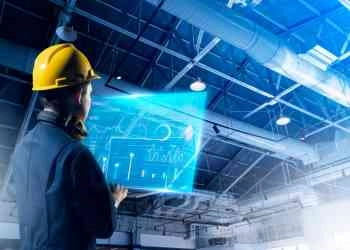
- Overview of smart manufacturing concepts, Industry 4.0, and the integration of digital technologies in the manufacturing sector.
2. Digital Transformation in Manufacturing:
- Understanding the impact of digital technologies on traditional manufacturing processes and the benefits of digital transformation.
3. Internet of Things (IoT) in Manufacturing:
- Application of IoT devices and sensors for real-time data collection, monitoring, and analysis in manufacturing operations.
4. Big Data Analytics in Manufacturing:
- Utilization of big data analytics for extracting actionable insights from large datasets to improve decision-making and efficiency.
5. Cloud Computing for Manufacturing:
- Integration of cloud computing solutions for data storage, processing, and collaborative manufacturing processes.
6. Cyber-Physical Systems (CPS):
- Introduction to the integration of physical processes with digital systems for improved monitoring, control, and automation.
7. Digital Twin Technology:
- Creating digital replicas of physical manufacturing systems to simulate and optimize processes, monitor performance, and facilitate predictive maintenance.
8. Advanced Robotics and Automation:
- Implementation of robotics and automation technologies to streamline manufacturing processes, enhance precision, and increase efficiency.
9. Augmented Reality (AR) and Virtual Reality (VR) in Manufacturing:
- Application of AR and VR technologies for virtual training, maintenance, and real-time visualization of manufacturing processes.
10. Additive Manufacturing (3D Printing):
- Integration of additive manufacturing technologies for rapid prototyping, customized production, and resource-efficient manufacturing.
11. Cybersecurity in Smart Manufacturing:
- Addressing cybersecurity challenges and implementing measures to secure connected manufacturing systems and data.
12. Smart Sensors and Actuators:
- Utilization of smart sensors and actuators for real-time monitoring, control, and feedback in manufacturing processes.
13. Supply Chain Integration:
- Integration of smart manufacturing technologies into the supply chain for improved visibility, coordination, and responsiveness.
14. Human-Machine Collaboration:
- Strategies for facilitating collaboration between humans and smart manufacturing technologies, enhancing productivity and safety.
15. Quality Control and Predictive Maintenance:
- Implementation of predictive maintenance strategies and quality control measures using data analytics and machine learning.
16. Energy Efficiency in Manufacturing:
- Techniques for optimizing energy consumption through the use of smart technologies and sustainable practices.
17. Lean Manufacturing Principles in a Smart Context:
- Adapting lean manufacturing principles to smart manufacturing, focusing on minimizing waste and maximizing efficiency.
18. Regulatory Compliance and Standards:
- Understanding regulatory frameworks and industry standards related to smart manufacturing practices.
Smart manufacturing education often involves hands-on projects, case studies, and collaboration with industry partners to provide students with practical experience in implementing smart manufacturing solutions.
Comments (16)

Rian Patel
Student
28 Sep 2022 | 18:31
Your writing style is very engaging and easy to follow

Asim Riaz
Student
22 Sep 2022 | 11:16
useful insight thanks for sharing

Aarusha Nair
Student
29 Sep 2022 | 15:31
Kudos for unraveling the potential and impact of smart manufacturing education

Ayushmaan
Student
10 Oct 2022 | 16:38
Your blog resonates with my experience! Creating a dedicated study space has transformed my online learning journey, bringing focus and productivity to a whole new level."

Isha
Student
5 Oct 2022 | 18:05
As someone new to online learning, your blog has been a goldmine of tips. The emphasis on clear communication with instructors is particularly reassuring.

Saisha Mehra
Student
12 Oct 2022 | 19:22
a resounding applause for your outstanding blog on Smart Manufacturing Education

Virat Singh
Student
15 Oct 2022 | 11:24
Your blog is a treasure trove of valuable information.
Virat Singh
Student
9 Nov 2022 | 11:29
Your blog is a treasure trove of valuable information.

Anika Reddy
Student
15 Nov 2022 | 16:19
"A visionary guide to preparing the next generation for the challenges of smart manufacturing

Aaryan Sinha
Student
27 Dec 2022 | 18:32
Kudos to the author for shedding light on the educational opportunities in the era of Smart Manufacturing Education

Aakash Chauhan
Student
19 Nov 2022 | 12:13
Valuable resource for those working at the intersection of technology and manufacturing. well expressed and insightful
Shivansh Dalit
Student
20 Dec 2022 | 12:27
it's a Superlative blog
Chhavi Agarwal
Student
11 Jan 2024 | 12:33
keep sharing your knowledge
Avantika Dahiya
Student
30 Jan 2024 | 18:47
Kudos for the author
Aanya Malhotra
Student
31 Jan 2024 | 15:29
Innovations are remarkable

Categories
Recent posts


Biometric Authentication: The Future of ...
13 Jan 2024
ChatGPT
15 Nov 2023
Navigating the Digital Classroom: Tips ...
9 Aug 2023


A heartfelt thank you for contributing such insightful content