Introduction:
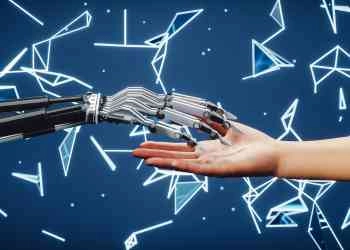
- Brief overview of the evolving field of Human-Robot Interaction (HRI) and the significance of research studies in understanding the dynamics between humans and robots.
1. Defining Human-Robot Interaction:
- Exploration of the multifaceted nature of interactions between humans and robots.
- Definition of key concepts and parameters shaping HRI studies.
2. User Experience and Perception Studies:
- Investigation into how users perceive and experience interactions with robots.
- Understanding factors influencing user satisfaction, trust, and acceptance of robotic technologies.
3. Cognitive Load and Human Performance:
- Studies examining the cognitive load imposed on humans during interactions with robots.
- Impact of HRI on human performance in various tasks and cognitive processes.
4. Emotional Interaction and Expression:
- Research on emotional aspects of HRI, including the role of robots in eliciting and recognizing human emotions.
- The impact of emotional interactions on user engagement and rapport.
5. Adaptability and Personalization Studies:
- Exploration of adaptive HRI systems and personalized robot behaviors.
- Understanding how robots can tailor interactions based on individual preferences and contexts.
6. Social Acceptance and Cultural Influences:
- Studies examining social acceptance of robots in different cultural contexts.
- Cultural factors shaping perceptions of humanoid and non-humanoid robots.
7. Collaborative Tasks and Teamwork:
- Research on collaborative tasks involving humans and robots working together.
- Understanding the dynamics of teamwork, communication, and coordination in mixed human-robot environments.
8. Ethical Considerations in HRI:
- Investigation into ethical implications of human-robot interactions.
- Studies addressing issues such as privacy, autonomy, and the responsible use of robotic technologies.
9. Learning and Education through HRI:
- Exploration of how HRI contributes to learning and educational experiences.
- Studies on the effectiveness of robots as educational tools and companions.
10. Long-Term Interaction Studies:
- Research focusing on long-term human-robot relationships.
- Understanding the dynamics of sustained interactions and the evolution of user attitudes over time.
Conclusion:
- Recap of key insights from diverse HRI studies.
- Emphasis on the continuous evolution of research in understanding and improving interactions between humans and robots for future applications.
Comments (12)

Rehaan Malik
Student
22 May 2023 | 17:15
Well done for maintaining a high quality blog.

Diksha
Student
19 Apr 2023 | 13:07
Highly appreciative of your efforts in delivering this content

Ankit Tiwari
Student
1 May 2023 | 16:28
Excellent work! Your expertise shines through in every paragraph
Ankit Tiwari
Student
20 Mar 2023 | 16:35
Your ability to delve deep into the topic is much appreciated

Rian Patel
Student
21 Mar 2023 | 17:39
Your blog has become a reliable source for staying informed on Human-Robot Interaction Studies

Aarusha Nair
Student
6 Mar 2023 | 16:27
very well explain thanks for sharing us

Saisha Mehra
Student
14 Feb 2023 | 17:35
Thanks for creating this informative blog

Aaryan Sinha
Student
13 Feb 2023 | 17:31
Thoughtful discussion on empathy, ethics, and the psychology of human-robot connections. This blog gives a holistic picture of the evolving dynamics between humans and their robotic counterparts

Arjun Ahuja
Student
31 Jan 2023 | 02:13
I appreciate your attention to detail in outlining the diverse applications of human-robot interaction in healthcare, manufacturing, and daily life.

Aakash Chauhan
Student
28 Jan 2023 | 11:39
Interesting blog on Human-Robot Interaction studies! A brief but enlightening insight into the evolving dynamic between humans and robots
Aanya Malhotra
Student
31 Jan 2024 | 15:27
Interesting blog on Human Robot Interaction studies

Categories
Recent posts


Biometric Authentication: The Future of ...
13 Jan 2024
ChatGPT
15 Nov 2023
Navigating the Digital Classroom: Tips ...
9 Aug 2023


Good at presenting a thought-provoking exploration that contributes to our understanding of the complex relationship between technology and human interaction