1. Introduction to Geospatial Intelligence (GEOINT):
- Overview of GEOINT, its history, and its role in national security, disaster response, and various industries.
2. Geospatial Data Sources:
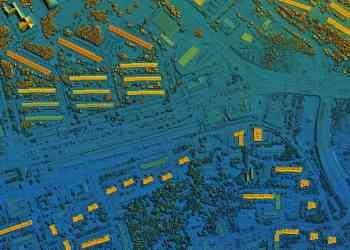
- Exploration of various sources of geospatial data, including satellite imagery, aerial photography, LiDAR, and GPS.
3. Remote Sensing Technologies:
- Principles and techniques of remote sensing for capturing and interpreting data from a distance, including satellite and UAV (drone) platforms.
4. Geospatial Data Acquisition and Processing:
- Methods for collecting, processing, and analyzing geospatial data to extract meaningful information.
5. Geographic Information Systems (GIS):
- Utilization of GIS software for spatial analysis, mapping, and visualization of geospatial data.
6. Spatial Analysis Techniques:
- Application of statistical and analytical methods to extract patterns, trends, and insights from geospatial data.
7. Digital Image Processing:
- Techniques for processing and enhancing digital images, particularly satellite and aerial imagery.
8. Cartography and Map Design:
- Principles of map design, including symbology, scale, and representation of spatial information.
9. Geospatial Data Modeling:
- Creating models to represent and simulate real-world phenomena in a geospatial context.
10. Geospatial Analytics and Machine Learning:
- Integration of machine learning algorithms for advanced analysis and interpretation of geospatial data.
11. Geospatial Intelligence in National Security:
- Applications of GEOINT in defense, intelligence, and security, including situational awareness and threat assessment.
12. Human Geography and Cultural Analysis:
- Incorporating human geography factors and cultural analysis into geospatial intelligence to understand societal impacts.
13. Environmental Monitoring and Conservation:
- Use of geospatial intelligence for monitoring environmental changes, conservation efforts, and natural resource management.
14. Disaster Response and Emergency Management:
- Application of geospatial intelligence in disaster preparedness, response, and recovery efforts.
15. Urban Planning and Development:
- Utilization of geospatial intelligence in urban planning, infrastructure development, and land-use analysis.
16. Geospatial Ethics and Privacy:
- Consideration of ethical and privacy considerations in the collection and use of geospatial data.
17. Geospatial Policy and Governance:
- Understanding policies, regulations, and governance structures related to geospatial information and intelligence.
18. Industry Applications of GEOINT:
- Exploration of geospatial intelligence applications across industries such as agriculture, transportation, healthcare, and energy.
Geospatial intelligence education often includes hands-on projects, case studies, and practical exercises to provide students with the skills and knowledge needed to apply geospatial intelligence techniques in real-world scenarios.
Comments (11)

Diksha
Student
11 Oct 2022 | 13:30
thank you for sharing your knowledge with such clarity

Rian Patel
Student
14 Oct 2022 | 18:25
I really liked Goespatial Intelligence Education's blog

Aarusha Nair
Student
21 Oct 2022 | 15:41
Your Geospatial Intelligence Education blog is a navigational beacon in the world of spatial knowledge

Ayushmaan
Student
29 Oct 2022 | 16:38
Your blog resonates with my experience! Creating a dedicated study space has transformed my online learning journey, bringing focus and productivity to a whole new level."

Saisha Mehra
Student
30 Oct 2022 | 18:53
Well done for this well-organized blog that sets the stage for an educational journey into Geospatial Intelligence
Kiran
Student
4 Nov 2022 | 19:00
I appreciate your emphasis on communication with instructors. Establishing a rapport with them has made a world of difference in my online courses."

Anika Reddy
Student
15 Dec 2022 | 16:39
GoeSpatial Intelligence Education Hey This is an amazing blog.

Aaryan Sinha
Student
23 Nov 2022 | 18:21
Kudos to the author for sculpting a comprehensive narrative on Geospatial Intelligence Education.

Siya Verma
Student
23 Dec 2022 | 11:30
I appreciate the focus on hands-on learning and hands-on experience in the field of geospatial intelligence

Arjun Ahuja
Student
26 Dec 2022 | 13:13
Thank you for your dedication to advancing geospatial intelligence education and for inspiring a new generation of professionals in this exciting field

Categories
Recent posts


Biometric Authentication: The Future of ...
13 Jan 2024
ChatGPT
15 Nov 2023
Navigating the Digital Classroom: Tips ...
9 Aug 2023


thank you very much for your blog