1. Introduction to Environmental Engineering:
- Overview of the role of environmental engineers, their responsibilities, and the broader context of environmental challenges.
2. Environmental Chemistry:
- Understanding the chemical processes in natural systems and pollutants, including water quality, air quality, and soil contamination.
3. Water and Wastewater Treatment:
- Principles and techniques for the treatment of water and wastewater to ensure safe drinking water and protect aquatic ecosystems.
4. Air Quality Management:
- Strategies for monitoring, assessing, and controlling air pollutants to safeguard human health and the environment.
5. Solid Waste Management:
- Techniques for managing and disposing of solid waste, including recycling, landfill design, and waste-to-energy processes.
6. Environmental Impact Assessment (EIA):
- Methods for assessing the potential environmental impact of proposed projects and developments.
7. Environmental Modeling and Simulation:
- Use of modeling and simulation tools to analyze and predict environmental processes, such as air dispersion modeling and groundwater flow modeling.
8. Hazardous Waste Management:
- Handling and disposal of hazardous wastes, including regulatory compliance and risk assessment.
9. Environmental Monitoring and Sampling:
- Techniques for collecting and analyzing environmental samples to assess the quality of air, water, and soil.
10. Environmental Regulations and Compliance:
- Understanding and navigating environmental regulations, compliance requirements, and permitting processes.
11. Sustainability in Engineering:
- Incorporation of sustainable practices in engineering design and decision-making to minimize environmental impact.
12. Renewable Energy and Environmental Engineering:
- Integration of renewable energy sources and sustainable energy solutions into environmental engineering practices.
13. Climate Change and Adaptation:
- Addressing the impacts of climate change, developing adaptation strategies, and contributing to climate resilience.
14. Ecological Engineering:
- Application of engineering principles to restore and enhance ecosystems, including wetland restoration and green infrastructure.
15. Environmental Ethics and Policy:
- Exploration of ethical considerations in environmental engineering and the development of environmental policies.
16. Water Resources Management:
- Sustainable management of water resources, including watershed management, water conservation, and river basin planning.
17. Environmental Health and Safety:
- Consideration of human health and safety in environmental engineering practices, including exposure assessment and risk management.
18. Environmental Remediation Technologies:
- Techniques for cleaning up contaminated sites, including soil and groundwater remediation methods.
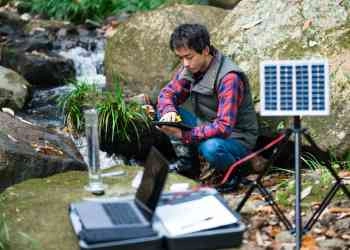
Environmental engineering education often involves laboratory work, field studies, and projects that provide students with hands-on experience in solving real-world environmental challenges. Additionally, collaboration with industry partners and internships may be incorporated to enhance practical knowledge and skills.
Comments (11)

Vivaan Menon
Student
23 Sep 2022 | 15:22
Thank you for your dedication to dispelling misconceptions about environmental engineering education. Your blog is an important contribution to the ongoing conversation about responsible and innovative use of environmental engineering practices

Rian Patel
Student
11 Oct 2022 | 18:31
I'd never thought about it that way before—fascinating!

Aarusha Nair
Student
17 Oct 2022 | 15:32
Brilliant insights into the dynamic world of environmental engineering

Ayushmaan
Student
26 Oct 2022 | 16:37
Your blog resonates with my experience! Creating a dedicated study space has transformed my online learning journey, bringing focus and productivity to a whole new level."
Kiran
Student
5 Nov 2022 | 18:58
I appreciate your emphasis on communication with instructors. Establishing a rapport with them has made a world of difference in my online courses."

Saisha Mehra
Student
16 Nov 2022 | 19:24
Bravo on this outstanding blog that dives deep into Environmental Engineering Education

Anika Reddy
Student
16 Dec 2022 | 16:20
Innovative insights that address contemporary challenges in manufacturing education

Aaryan Sinha
Student
24 Dec 2022 | 18:35
this blog stands as a testament to the potential impact of Environmental Engineering Education, offering a roadmap for those committed to making a difference.

Siya Verma
Student
19 Oct 2022 | 11:18
Your blog provides valuable insights into the role of environmental engineering in sustainability
Chhavi Agarwal
Student
11 Jan 2024 | 12:34
Very informative blog and it helped me a lot

Categories
Recent posts


Biometric Authentication: The Future of ...
13 Jan 2024
ChatGPT
15 Nov 2023
Navigating the Digital Classroom: Tips ...
9 Aug 2023


that's a amazing blog