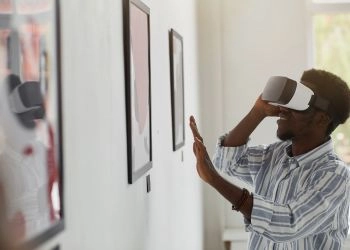
1. Introduction to the Virtual Museum:
- Explanation of the purpose and goals of the virtual museum.
- Overview of the user interface and navigation.
2. Virtual Tour of Exhibits:
- Themed exhibits featuring artifacts, images, and multimedia content.
- Interactive navigation for users to explore exhibits.
3. Artifacts and Collections:
- Digital representations of artifacts, artworks, and historical objects.
- Detailed information on each item, including historical context and significance.
4. Historical Timeline:
- Chronological presentation of historical events or cultural evolution.
- Integration of artifacts and exhibits into the timeline.
5. Audio and Video Narratives:
- Audio guides or narrations providing additional context.
- Video presentations enhancing the storytelling aspect.
6. Educational Content for Different Audiences:
- Content tailored for various age groups and educational levels.
- Curriculum-aligned materials for teachers and students.
7. Interactive Learning Modules:
- Quizzes, puzzles, and interactive activities related to exhibits.
- Gamified elements to engage and educate visitors.
8. Multilingual Support:
- Support for multiple languages to cater to a diverse audience.
- Translations for exhibit descriptions and educational content.
9. Behind-the-Scenes Content:
- Videos or virtual tours showcasing how exhibits are curated and maintained.
- Interviews with curators, historians, or artists.
10. 3D Models and Augmented Reality (AR):
- Integration of 3D models for a more immersive experience.
- AR features for users to virtually place artifacts in their environment.
11. User-Generated Content:
- Platforms for users to contribute their stories, photos, or reflections.
- Virtual community spaces for discussions and shared experiences.
12. Accessibility Features:
- Design considerations for users with disabilities.
- Text-to-speech options, high contrast, and other accessibility features.
13. Cultural Heritage Preservation:
- Importance of preserving cultural heritage through virtual museums.
- Digitization efforts to safeguard artifacts.
14. Virtual Events and Webinars:
- Scheduled events, live presentations, or webinars within the virtual museum.
- Q&A sessions with experts or curators.
15. Contemporary Relevance:
- Exhibits addressing current events or social issues.
- Connecting historical context to present-day relevance.
16. Social Media Integration:
- Sharing options for visitors to post about their virtual museum experience.
- Integration with social media platforms for wider reach.
17. Navigation and User Guidance:
- Intuitive navigation guides for a seamless user experience.
- Tutorials or on-screen prompts for first-time visitors.
18. Feedback and Evaluation:
- Surveys or feedback forms to gather visitor opinions.
- Continuous improvement based on user feedback.
19. Partnerships and Collaborations:
- Collaborations with other museums, educational institutions, or cultural organizations.
- Joint exhibits or cross-promotions.
20. Virtual Gift Shop:
- Digital store featuring merchandise related to exhibits.
- Proceeds supporting the maintenance of the virtual museum.
Comments (12)
Shivansh Dalit
Student
23 Oct 2022 | 12:43
Good luck with this comprehensive blog! It provides practical insight into the field of educational virtual museums

Harsh Mehtar
Student
1 Jan 2023 | 14:00
Thought provoking talent on every page
Ayush Valmiki
Student
23 Oct 2022 | 16:12
Eloquent prose that captivates and enlightens
KrishPaswan
Student
12 Jun 2022 | 16:47
The blog is a captivating journey through the world of practical knowledge. It is truly a treasure trove for the inquisitive mind
Chhavi Agarwal
Student
11 Jan 2024 | 12:05
Keep it up
Dev Desai
Student
15 Jan 2024 | 16:04
This was helpful, thanks
Avantika Dahiya
Student
30 Jan 2024 | 18:54
Informative blog clear and concise
Aanya Malhotra
Student
31 Jan 2024 | 15:34
Keep these posts coming
Aarav Bhatia
Student
1 Feb 2024 | 13:57
Your contributions to the topic are appreciated
Vihaan Khanna
Student
2 Feb 2024 | 13:14
Providing valuable insights that have a profound impact on readers
Anika Sharma
Student
2 Feb 2024 | 13:30
It's a real goldmine for the curious mind.

Categories
Recent posts


Biometric Authentication: The Future of ...
13 Jan 2024
ChatGPT
15 Nov 2023
Navigating the Digital Classroom: Tips ...
9 Aug 2023


Good luck with this comprehensive blog! It provides practical insight into the field of educational virtual museums