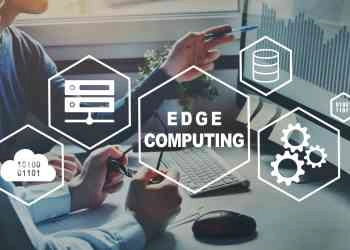
1. Introduction to Edge Computing:
- Overview of edge computing concepts, its significance, and how it differs from cloud computing.
2. Edge Computing Architecture:
- Understanding the architecture of edge computing systems, including edge devices, edge nodes, and the cloud.
3. Edge Devices and Sensors:
- Exploration of devices and sensors used at the edge, such as IoT devices, cameras, and sensors for data acquisition.
4. Edge Computing vs. Cloud Computing:
- Comparative analysis of edge computing and cloud computing, highlighting use cases and considerations for each.
5. Distributed Systems and Edge Networks:
- Principles of distributed systems and the design of edge networks for efficient data processing and communication.
6. Fog Computing:
- Introduction to fog computing, a related paradigm that extends edge computing capabilities and services.
7. Edge Computing Protocols:
- Overview of communication protocols commonly used in edge computing environments, such as MQTT and CoAP.
8. Edge Computing Security:
- Addressing security challenges and implementing measures to secure edge computing systems and data.
9. Real-time Data Processing:
- Techniques for processing and analyzing data in real-time at the edge to support time-sensitive applications.
10. Machine Learning at the Edge:
- Integration of machine learning algorithms and models at the edge for localized decision-making and inference.
11. Edge Computing Use Cases:
- Exploration of diverse use cases for edge computing, including smart cities, industrial IoT, healthcare, and autonomous vehicles.
12. Edge Cloud Platforms:
- Introduction to edge cloud platforms that facilitate development, deployment, and management of edge applications.
13. Edge Application Development:
- Hands-on training in developing applications for edge computing environments, considering constraints and requirements.
14. Edge Analytics:
- Techniques for performing analytics at the edge, extracting meaningful insights from data closer to the source.
15. Edge Computing and 5G:
- Integration of edge computing with 5G networks to enhance performance, latency, and connectivity.
16. Edge Computing in Industrial Automation:
- Application of edge computing in industrial settings for real-time control, monitoring, and automation.
17. Edge Computing Standards and Best Practices:
- Overview of industry standards and best practices for designing and implementing edge computing solutions.
18. Edge Computing Challenges and Future Trends:
- Exploration of challenges faced in edge computing implementations and emerging trends in the field.
Comments (11)

Rian Patel
Student
9 Nov 2022 | 18:06
The blog you included really improves the overall presentation.

Aarusha Nair
Student
13 Nov 2022 | 15:33
very good blog thank you for sharing this blog

Ayushmaan
Student
17 Nov 2022 | 16:30
nsightful overview of edge computing! This blog provides a clear understanding of the concept and its significance. A must-read for anyone interested in the future of computing

Saisha Mehra
Student
18 Nov 2022 | 18:22
Thank you for highlighting the complexities and benefits of edge computing education
Kiran
Student
12 Dec 2022 | 18:59
I appreciate your emphasis on communication with instructors. Establishing a rapport with them has made a world of difference in my online courses."

Anika Reddy
Student
17 Dec 2022 | 16:25
Captivating journey through the importance of edge computing in modern IT architecture

Aaryan Sinha
Student
23 Dec 2022 | 18:14
kudos for author well explain

Siya Verma
Student
4 Jan 2023 | 11:24
Your blog encourages a forward-looking approach to technology education, in line with industry trends

Arjun Ahuja
Student
26 Dec 2022 | 13:00
The inclusion of resources for further learning, edge computing tools, and collaborative platforms adds practical value to your content
Sanya Viswakarma
Student
5 Jan 2023 | 16:43
very informative blog

Categories
Recent posts


Biometric Authentication: The Future of ...
13 Jan 2024
ChatGPT
15 Nov 2023
Navigating the Digital Classroom: Tips ...
9 Aug 2023


Thanks for presenting information in such an engaging manner