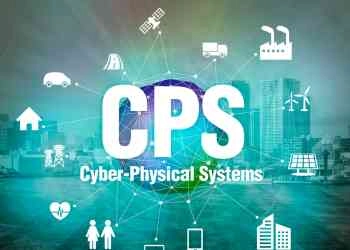
1. Introduction to Cyber-Physical Systems:
- Overview of CPS, its definition, and the integration of computing, communication, and control in physical systems.
2. Fundamentals of Control Systems:
- Understanding classical and modern control theories as a foundation for designing cyber-physical systems.
3. Communication Technologies for CPS:
- Study of communication protocols and technologies that enable seamless interaction between physical components and computational systems.
4. Real-Time Systems:
4. Real-Time Systems:
4. Real-Time Systems:
- Concepts of real-time computing, scheduling algorithms, and their significance in CPS applications.
5. Embedded Systems:
- Introduction to embedded systems design, including hardware-software co-design and real-time operating systems.
6. Sensor and Actuator Networks:
- Design and implementation of sensor networks for data acquisition and actuator networks for controlling physical processes.
7. Modeling and Simulation of CPS:
- Techniques for modeling cyber-physical systems, simulation tools, and their applications in system analysis and design.
8. Cyber-Physical System Architecture:
- Understanding the architecture of CPS, including the hardware-software stack, communication layers, and system components.
9. Distributed Control Systems:
- Concepts of distributed control and coordination in CPS, addressing challenges related to scalability and reliability.
10. Formal Methods for CPS:
- Introduction to formal methods, such as model checking and theorem proving, for verifying the correctness of CPS designs.
11. Security and Privacy in CPS:
- Addressing cybersecurity challenges in CPS, including secure communication, intrusion detection, and data privacy.
12. Safety and Reliability in CPS:
- Ensuring the safety and reliability of CPS through fault tolerance, error recovery mechanisms, and system redundancy.
13. Machine Learning in CPS:
- Integration of machine learning techniques for decision-making, pattern recognition, and adaptive control in CPS.
14. Human-in-the-Loop CPS:
- Considering the role of human interaction, user interfaces, and user experience design in cyber-physical systems.
15. IoT Integration:
- Integration of the Internet of Things (IoT) with CPS, exploring the synergy between IoT devices and cyber-physical components.
16. Applications of CPS:
- Case studies and applications across various domains, including smart cities, healthcare, transportation, and industrial automation.
17. Industry 4.0 and CPS:
- Understanding the role of CPS in the context of Industry 4.0, including smart manufacturing and industrial internet of things (IIoT).
18. Ethics and Societal Impact:
- Exploring ethical considerations in the design and deployment of CPS and examining their impact on society.
CPS education often includes hands-on projects, laboratory exercises, and collaborative activities to provide students with practical experience in designing, implementing, and analyzing cyber-physical systems.
Comments (10)

Rian Patel
Student
17 Jan 2023 | 17:57
I'm sharing this with my friends; it's too good not to

Aarusha Nair
Student
5 Jan 2023 | 15:43
Your Cyber-Physical Systems Education Blog is a digital bridge to the future of interconnected technology

Ayushmaan
Student
31 Jan 2023 | 06:29
Informative read! This blog succinctly outlines the promising avenues in cybersecurity careers. A quick and valuable guide for those considering this field

Saisha Mehra
Student
28 Dec 2022 | 18:07
Thank you for bringing the wonders of cyber-physical systems to life through education and discussion on technology blogs
Kiran
Student
28 Dec 2022 | 19:01
I appreciate your emphasis on communication with instructors. Establishing a rapport with them has made a world of difference in my online courses."

Aaryan Sinha
Student
23 Dec 2022 | 17:56
The blog offers tangible examples of how interconnected systems are shaping educational experiences

Siya Verma
Student
28 Nov 2022 | 11:43
Thank you for highlighting the importance of staying updated on the latest tools and methodologies in CPS development

Arjun Ahuja
Student
26 Nov 2022 | 12:49
The blog's exploration of cybersecurity aspects of cyber-physical systems adds a layer of practical relevance
Arisha Sengupa
Student
24 Nov 2022 | 14:04
so informative blog

Categories
Recent posts


Biometric Authentication: The Future of ...
13 Jan 2024
ChatGPT
15 Nov 2023
Navigating the Digital Classroom: Tips ...
9 Aug 2023


I appreciate your clarity in explaining intricate blog