1. Introduction to Brain-Computer Interfaces:
- Overview of the concept, history, and fundamental principles of brain-computer interfaces.
2. Neurophysiology and Brain Signals:
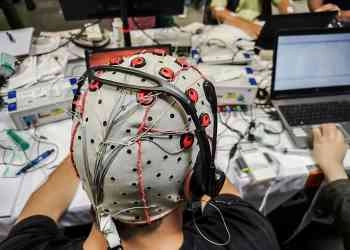
- Understanding the basics of neurophysiology, brain anatomy, and the types of brain signals (e.g., EEG, ECoG, fNIRS) used in BCIs.
3. Signal Processing for BCIs:
- Techniques for processing and analyzing brain signals, including filtering, feature extraction, and signal classification.
4. Brain Signal Acquisition Methods:
- Exploration of various methods for acquiring brain signals, such as electroencephalography (EEG), electrocorticography (ECoG), and functional near-infrared spectroscopy (fNIRS).
5. Invasive and Non-Invasive BCIs:
- Understanding the differences between invasive (directly implanted) and non-invasive (external) BCI technologies.
6. BCI System Architecture:
- Components and design considerations of a BCI system, including signal acquisition, processing, and feedback mechanisms.
7. BCI Applications:
- Practical applications of BCIs in healthcare, assistive technology, neurofeedback, gaming, and communication.
8. Motor Imagery and Motor Execution BCIs:
- Techniques for decoding and interpreting brain signals related to motor imagery and motor execution in BCI applications.
9. P300-Based BCIs:
- Understanding the use of P300 potentials for developing BCI systems, particularly in communication and control applications.
10. SSVEP-Based BCIs:
- Application of steady-state visually evoked potentials (SSVEP) for creating BCIs, especially in the context of visual stimuli.
11. Hybrid BCIs:
- Integration of multiple types of brain signals or combining BCIs with other technologies to enhance performance and versatility.
12. BCI Programming and Software Tools:
- Introduction to programming BCI applications and the use of software tools and frameworks for BCI development.
13. BCI Challenges and Limitations:
- Exploration of challenges in BCI technology, including signal noise, variability, user adaptation, and ethical considerations.
14. User Training and Adaptation:
- Strategies for training users to operate BCIs effectively and considerations for long-term user adaptation.
15. Ethical and Privacy Considerations:
- Addressing ethical and privacy issues associated with BCI technologies, including informed consent and data security.
16. Neuroethics in BCI Research:
- Consideration of ethical implications in the design, development, and application of BCI technologies.
17. Research Trends and Innovations:
- Exploration of current research trends, innovations, and emerging technologies in the field of BCIs.
18. BCI Project Development:
- Hands-on projects and practical exercises for designing and implementing BCI applications.
BCI education often includes a combination of theoretical knowledge, hands-on laboratory work, and collaborative projects to provide students with practical experience in developing and understanding brain-computer interface systems.
Comments (11)

Advaita Sharma
Student
17 Sep 2022 | 13:35
good explain very informative blog

Diksha
Student
11 Nov 2022 | 13:37
I look forward to more content from you. Great job!

Rian Patel
Student
11 Jan 2023 | 18:36
Your post provides a fresh perspective on a topic I thought I knew well

Zara Joshi
Student
4 Jan 2023 | 18:48
The balance between facts and your personal blog is perfect

Aarusha Nair
Student
26 Oct 2022 | 15:02
Your blog is a beacon for BCI enthusiasts

Saisha Mehra
Student
12 Oct 2022 | 19:28
thanks for making this blog something new for us

Virat Singh
Student
13 Oct 2022 | 11:23
Your blog is a treasure trove of valuable information.

Anika Reddy
Student
17 Sep 2022 | 15:24
Real-world applications beautifully discussed.

Aaryan Sinha
Student
6 Sep 2022 | 18:50
This blog prompts crucial reflections on how BCI can contribute to personalized learning and cognitive empowerment
Aanya Malhotra
Student
31 Jan 2024 | 15:29
Thumbs up for content

Categories
Recent posts


Biometric Authentication: The Future of ...
13 Jan 2024
ChatGPT
15 Nov 2023
Navigating the Digital Classroom: Tips ...
9 Aug 2023


Amazing, you have exceeded expectations and great blog