1. Introduction to Bionics and Biomimetics:
- Understanding the principles and objectives of bionics and biomimetics, exploring how biological systems inspire technological advancements.
2. Biological Inspiration:
- Studying specific examples from nature that have inspired technological innovations, such as the flight of birds influencing aircraft design.
3. Biomimetic Design Process:
- Learning the steps involved in biomimetic design, including observation, abstraction of biological principles, and application to technological solutions.
4. Biological Systems Modeling:
- Understanding how to model and simulate biological systems to extract principles that can be applied to engineering and design.
5. Materials Inspired by Nature:
- Exploring biomimetic materials, including those with properties inspired by shells, spider silk, or other natural substances.
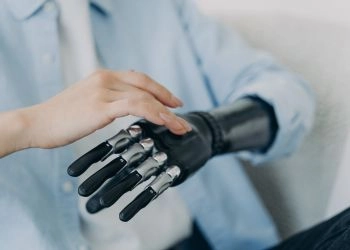
6. Bionics in Prosthetics:
- Studying the application of bionics in the design and development of prosthetic limbs and sensory devices, enhancing functionality and natural movement.
7. Biomimetics in Robotics:
- Applying principles from biology to design robots with improved mobility, adaptability, and efficiency.
8. Biomimetic Sensors and Actuators:
- Developing sensors and actuators inspired by biological systems for applications in robotics, medical devices, and industrial automation.
9. Bionics in Medical Technology:
- Exploring applications of bionics in medical fields, including artificial organs, bioelectronics, and regenerative medicine.
10. Biomimetic Architecture:
- Understanding how architectural design can be influenced by natural structures, optimizing energy efficiency and sustainability.
11. Bionics in Transportation:
- Applying principles from nature to improve transportation systems, such as designing vehicles inspired by animal locomotion or efficient flow patterns.
12. Case Studies in Biomimicry:
- Analyzing real-world examples of successful biomimetic design, understanding the challenges faced and solutions achieved.
13. Ethical Considerations:
- Addressing ethical considerations in the field, including responsible use of biomimetic technologies and potential environmental impact.
14. Bionics and Biomimetics in Education:
- Integrating bionics and biomimetics concepts into educational curricula, fostering creativity and interdisciplinary learning.
15. Research Methods in Bionics:
- Exploring research methodologies used in bionics and biomimetics, including field studies, laboratory experiments, and computational modeling.
16. Biologically Inspired Algorithms:
- Understanding and applying algorithms inspired by biological processes, such as genetic algorithms, ant colony optimization, and neural networks.
17. Biomimetic Product Design:
- Applying biomimetic principles to product design, considering form, function, and sustainability.
18. Industry Applications:
- Investigating how bionics and biomimetics are applied across industries, from consumer products to healthcare and aerospace.
19. Collaboration and Interdisciplinary Work:
- Emphasizing the importance of collaboration between biologists, engineers, designers, and other disciplines in successful biomimetic projects.
20. Emerging Trends in Bionics and Biomimetics:
- Staying informed about the latest trends, breakthroughs, and emerging technologies in the rapidly evolving fields of bionics and biomimetics.
Comments (13)
Sagar Dusadh
Student
15 Nov 2022 | 19:02
Excellent resource for understanding the important connection between the development of biologically inspired technologies, education and design thinking
Advait Panicker
Student
10 Nov 2022 | 11:09
Fascinating blog on Bionics and Biomimetics education
Shivansh Dalit
Student
21 Sep 2022 | 12:06
Valuable resource for students and professionals alike
Ansh Jatav
Student
10 Sep 2022 | 12:58
This blog is a treasure trove for those curious about bionics and biomimetics education

Harsh Mehtar
Student
3 Sep 2022 | 14:05
Stimulating and full of intellectual depth
Ayush Valmiki
Student
19 Aug 2022 | 16:14
A work of sheer genius that deserves appreciation
KrishPaswan
Student
18 Aug 2022 | 16:49
I am continually impressed by the depth and clarity of your blog. This is a true gem, providing valuable perspectives on a variety of topics
Chhavi Agarwal
Student
11 Jan 2024 | 12:29
Good read, thank you
Dev Desai
Student
15 Jan 2024 | 16:22
Thanks for the valuable content
Atharv Mehta
Student
30 Jan 2024 | 13:19
Your blog on bionics is very good
Avantika Dahiya
Student
30 Jan 2024 | 18:51
Bionics and Biomimetics Education explores the fascinating blog
Vihaan Khanna
Student
2 Feb 2024 | 13:16
Bionics and Biomimetics Education delves into the captivating blog

Categories
Recent posts


Biometric Authentication: The Future of ...
13 Jan 2024
ChatGPT
15 Nov 2023
Navigating the Digital Classroom: Tips ...
9 Aug 2023


Insightful blog! Bionics and Biomimetics Education explores the fascinating intersection of technology and nature-inspired design for innovative learning