Introduction:
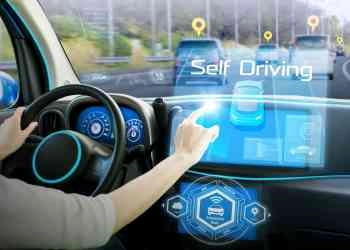
transformative impact of autonomous vehicles and the educational initiatives shaping the workforce for this cutting-edge technology.
1. Understanding Autonomous Vehicles:
- Overview of autonomous vehicle technology, including sensors, AI algorithms, and control systems.
- Introduction to the levels of autonomy and the evolving landscape of self-driving vehicles.
2. Autonomous Vehicle Technology Courses:
- Exploration of educational programs offering courses on autonomous vehicle technology.
- Curriculum covering topics such as sensor fusion, machine learning, and real-time control systems.
3. AI and Machine Learning in Autonomous Driving:
- Integration of AI and machine learning education in the context of autonomous driving.
- Training on algorithms for perception, decision-making, and control in self-driving systems.
4. Sensor Technologies and Perception Systems:
- Education on sensor technologies, including lidar, radar, and cameras used in autonomous vehicles.
- Understanding perception systems for accurate and reliable environment sensing.
5. Safety and Security in Autonomous Driving:
- Courses focusing on safety standards, regulations, and security considerations in autonomous vehicle development.
- Strategies for addressing challenges related to cybersecurity and ensuring the safety of autonomous systems.
6. Ethics and Social Implications:
- Exploration of the ethical considerations and social implications of autonomous vehicles.
- Discussions on responsible development, deployment, and the societal impact of self-driving technology.
7. Simulation and Virtual Testing:
- Educational initiatives incorporating simulation and virtual testing environments for autonomous vehicles.
- Practical training on testing algorithms and systems in a controlled virtual environment.
8. Industry Partnerships and Internships:
- Collaboration between educational institutions and industry partners to provide real-world exposure.
- Internship programs enabling students to work on autonomous vehicle projects with leading companies.
9. Regulatory Landscape and Compliance:
- Education on the regulatory landscape governing autonomous vehicles.
- Ensuring compliance with national and international standards in the development and deployment of autonomous systems.
10. Interdisciplinary Education:
- Integration of interdisciplinary education, involving engineering, computer science, and business studies.
- Understanding the broader ecosystem and business aspects of autonomous vehicle technology.
Conclusion:
- Recap of the role of education in preparing professionals for the autonomous vehicle industry.
- Encouragement for educational institutions to adapt and innovate in response to the evolving demands of this transformative technology.
Comments (10)

Rehaan Malik
Student
22 Apr 2023 | 17:18
A good blog that promotes learning and exploration

Diksha
Student
21 Apr 2023 | 13:07
Your expertise truly shines in this well-crafted blog

Ankit Tiwari
Student
12 Mar 2023 | 16:36
Well done for maintaining a high quality blog

Rian Patel
Student
11 Mar 2023 | 17:44
I appreciate your commitment to providing evidence for your claims

Aarusha Nair
Student
6 Mar 2023 | 16:28
so informative blog

Saisha Mehra
Student
16 Feb 2023 | 17:36
Thanks for creating this informative blog,
it's new thing to read today,
on the topic Autonomous Vehicle Education

Aaryan Sinha
Student
13 Feb 2023 | 17:32
Kudos to the author for providing a comprehensive guide to understanding autonomous vehicles in an educational context

Arjun Ahuja
Student
24 Jan 2023 | 12:15
Acknowledgment of the interdisciplinary nature of autonomous vehicle education adds depth to the blog.
Arisha Sengupa
Student
25 Jan 2023 | 13:33
This blog provides an in-depth exploration of autonomous vehicles education, providing a detailed understanding of the technology, principles, and applications involved.

Categories
Recent posts


Biometric Authentication: The Future of ...
13 Jan 2024
ChatGPT
15 Nov 2023
Navigating the Digital Classroom: Tips ...
9 Aug 2023


Excellent blog highlighting the dynamic landscape of autonomous vehicle education