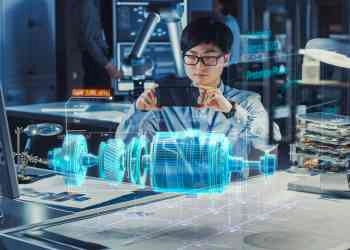
1. Interactive Equipment Simulations:
- Develop AR simulations that overlay digital information onto real-world equipment. Trainees can interact with virtual components and practice maintenance procedures in a controlled, risk-free environment.
2. Step-by-Step Guidance:
- Use AR to provide step-by-step visual instructions overlaid on physical equipment. This can guide technicians through complex maintenance tasks, ensuring they follow the correct procedures.
3. Overlaying Diagnostic Information:
- Implement AR to display real-time diagnostic information and troubleshooting guides. Technicians can view data, error codes, and recommended solutions through AR overlays, improving their ability to diagnose and fix issues.
4. Remote Assistance:
- Enable remote experts to provide guidance using AR. Technicians can wear AR devices, and experts can see what they see in real-time, offering assistance and guidance, reducing downtime, and increasing efficiency.
5. 3D Models and Animations:
- Create 3D models or animations of equipment to illustrate complex systems or internal components. This visual aid can help trainees understand how different parts function and how they are interconnected.
6. Equipment Identification:
- Implement AR for equipment identification. Technicians can point their devices at a piece of equipment, and AR can provide relevant information, such as maintenance history, upcoming scheduled maintenance, or known issues.
7. Gamification for Training:
- Introduce gamification elements to maintenance training using AR. Create interactive scenarios, challenges, or games that simulate maintenance tasks, making the learning process more engaging and enjoyable.
8. Performance Monitoring:
- Use AR to monitor trainees' performance in real-time. This can help identify areas where individuals may need additional training or support.
9. Adaptive Learning Paths:
- Implement AR-based adaptive learning paths that adjust based on individual progress. This ensures that each trainee receives personalized training experiences tailored to their learning pace and needs.
10. Documentation and Knowledge Capture:
- Use AR to capture and document maintenance procedures. Technicians can record their processes with AR, creating a knowledge repository for future reference and training purposes.
11. Safety Training:
- Integrate AR into safety training by simulating hazardous scenarios and demonstrating proper safety procedures. This can help technicians understand and adhere to safety protocols.
Comments (10)

Rehaan Malik
Student
9 Feb 2023 | 17:21
An extraordinary blog that explores the exciting possibilities of AR in maintenance training

Diksha
Student
1 Jul 2023 | 13:07
Great job! Your blog is a standout in the crowded online space

Ankit Tiwari
Student
16 May 2023 | 16:36
Excellent blog highlighting the dynamic landscape of autonomous vehicle education.

Rian Patel
Student
26 Mar 2023 | 17:45
Your blog has become a valuable resource in my learning journey

Aarusha Nair
Student
21 Mar 2023 | 16:29
Brilliant insight into the dynamic fusion of reality and technology in the field of maintenance
nice blog

Saisha Mehra
Student
12 Feb 2023 | 17:42
A must-read for maintenance people, students, and tech enthusiasts looking to dive into the transformative potential of AR in the field.

Aaryan Sinha
Student
28 Jan 2023 | 17:33
This blog brilliantly showcases the transformative potential of AR in enhancing skills and efficiency.

Arjun Ahuja
Student
27 Jan 2023 | 12:16
Your blog offers a comprehensive and insightful exploration of how AR is revolutionizing maintenance training practices
Arisha Sengupa
Student
25 Jan 2023 | 13:36
Your emphasis on practical training experiences in augmented reality promotes a deeper understanding of maintenance processes.

Categories
Recent posts


Biometric Authentication: The Future of ...
13 Jan 2024
ChatGPT
15 Nov 2023
Navigating the Digital Classroom: Tips ...
9 Aug 2023


bravo on an extraordinary blog exploring the transformative role of augmented reality in maintenance training