1. Introduction to Aerospace Engineering:
- Overview of the aerospace industry, its history, and the fundamental principles of flight.
2. Aerodynamics:
- Study of the behavior of air around objects, including lift and drag forces, airfoil design, and aerodynamic performance.
3. Aircraft Structures:
- Understanding the design, analysis, and materials used in constructing aircraft structures to ensure safety and performance.
4. Propulsion Systems:
- Analysis and design of aircraft propulsion systems, including jet engines, turboprops, and rocket engines.
5. Flight Mechanics and Control:
- Principles of aircraft stability, control systems, and flight dynamics for ensuring stable and controlled flight.
6. Spacecraft Design:
- Exploration of the design considerations for spacecraft, including satellites, probes, and manned space vehicles.
7. Orbital Mechanics:
- Study of the motion of objects in space, including orbits, trajectories, and celestial mechanics.
8. Spacecraft Propulsion:
- Analysis and design of propulsion systems for spacecraft, including chemical, electric, and solar propulsion.
9. Avionics and Control Systems:
- Integration of electronic systems, sensors, and control systems in aircraft and spacecraft.
10. Materials in Aerospace:
- Selection and properties of materials used in aerospace engineering, including composites, alloys, and advanced materials.
11. Flight Testing and Simulation:
- Conducting flight tests and utilizing simulation tools to analyze and improve aircraft and spacecraft performance.
12. Aerospace Manufacturing Processes:
- Techniques for manufacturing aerospace components, including precision machining, additive manufacturing, and composite manufacturing.
13. Air Traffic Management:
- Understanding the principles of air traffic control, airspace management, and aviation safety.
14. Human Factors in Aerospace:
- Consideration of human factors in aircraft and spacecraft design to enhance safety and usability.
15. Aerospace Systems Integration:
- Integration of various aerospace subsystems into a cohesive and functional aircraft or spacecraft.
16. Aerospace Regulations and Certification:
- Understanding aviation and space regulations, certification processes, and compliance standards.
17. Space Exploration Technologies:
- Exploration of technologies and engineering challenges in space exploration, including missions to the Moon, Mars, and beyond.
18. Aerospace Industry Trends and Innovations:
- Keeping abreast of the latest trends, innovations, and emerging technologies in the aerospace industry.
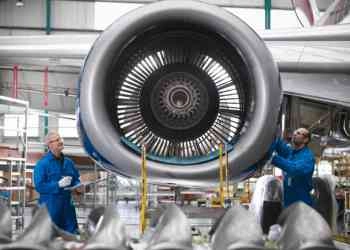
Aerospace engineering education often includes hands-on projects, laboratory work, and internships to provide students with practical experience in applying theoretical knowledge to real-world aerospace challenges. Additionally, students may have the opportunity to collaborate with industry partners and engage in research projects to contribute to advancements in aerospace technology.
Comments (10)

Rian Patel
Student
17 Oct 2022 | 18:19
I'm inspired to explore this topic further after reading your blog

Aarusha Nair
Student
26 Oct 2022 | 15:40
Intriguing read on propelling education into the future of aerospace innovation

Isha
Student
12 Dec 2022 | 18:07
As someone new to online learning, your blog has been a goldmine of tips. The emphasis on clear communication with instructors is particularly reassuring.

Saisha Mehra
Student
12 Dec 2022 | 18:33
This well-explained blog makes it easy to navigate the vast landscape of aerospace engineering

Virat Singh
Student
19 Dec 2022 | 11:30
Your blog is a treasure trove of valuable information.

Anika Reddy
Student
3 Jan 2023 | 06:37
If someone is new to online learning, your blog is a gold mine for tips

Aaryan Sinha
Student
13 Jan 2023 | 18:20
this blog is more than an educational guide; it's a beacon for those ready to soar to new heights in Aerospace Engineering.

Siya Verma
Student
15 Jan 2023 | 11:28
Thank you for providing resources for further learning and staying updated on aerospace developments

Arjun Ahuja
Student
7 Mar 2023 | 13:12
Your blog provides a thorough overview of the aerospace engineering discipline, making it an excellent starting point for both aspiring students and those seeking a deeper understanding.

Categories
Recent posts


Biometric Authentication: The Future of ...
13 Jan 2024
ChatGPT
15 Nov 2023
Navigating the Digital Classroom: Tips ...
9 Aug 2023


I appreciate the time and effort you put into this content